
Golf Cart Speaker Buying & Mounting Guide: How to Pick the Right One
News originally published by
EIN Presswire
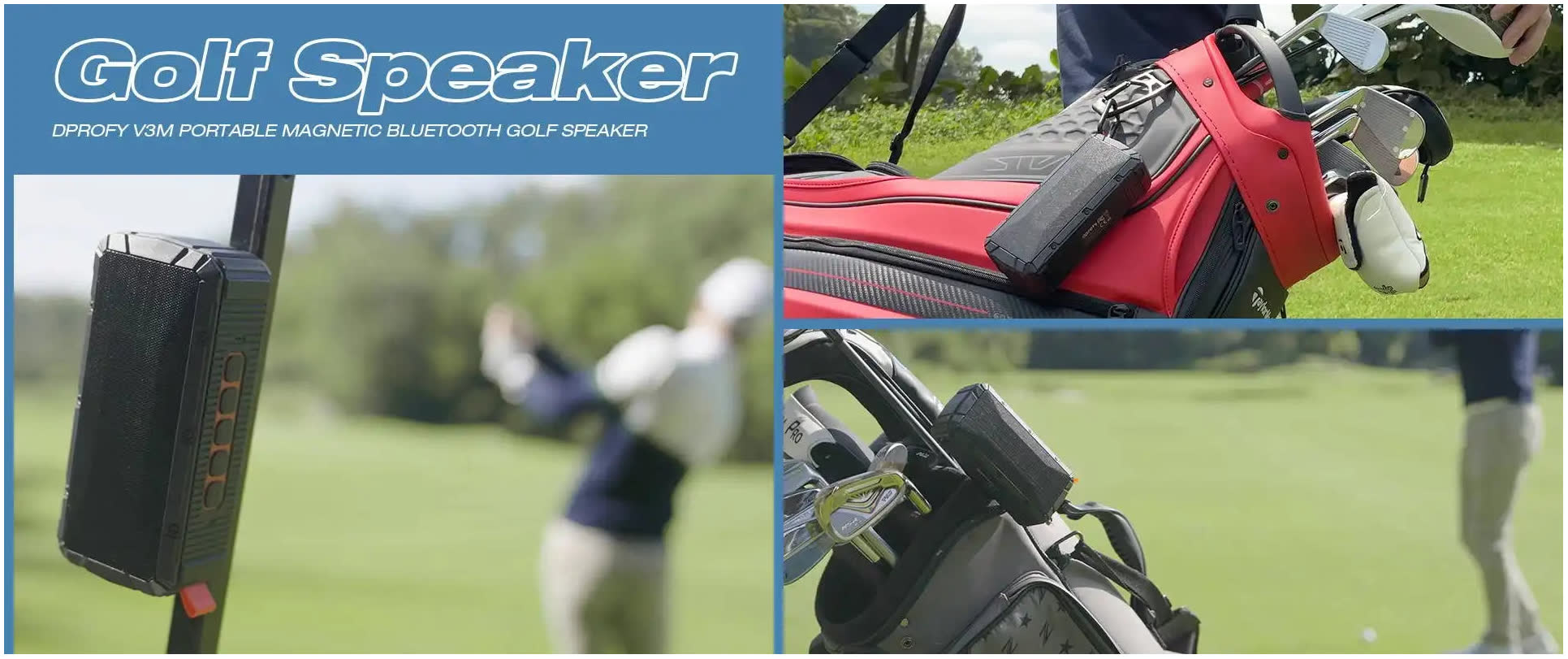
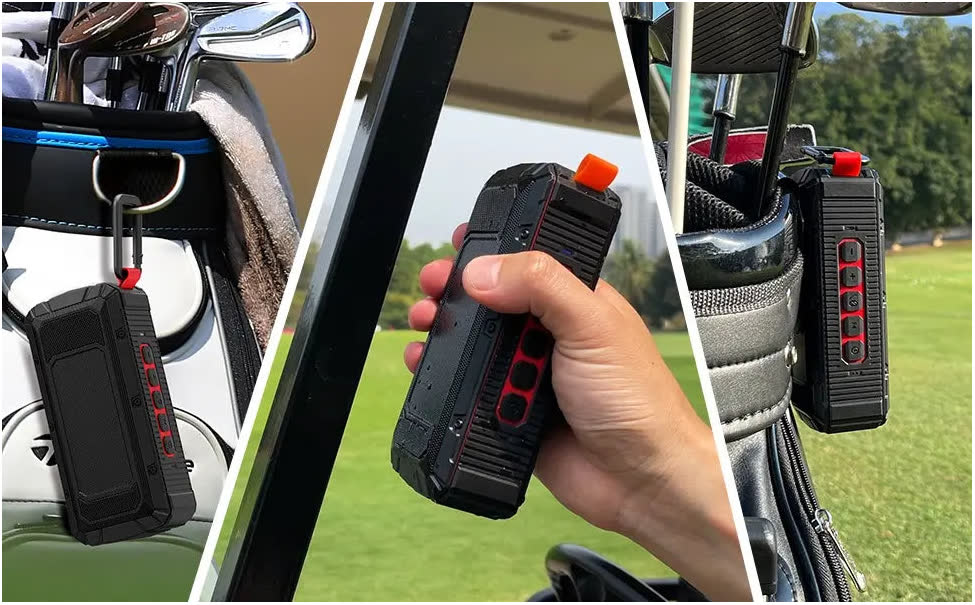
SHENZHEN, GUANGDONG, CHINA, November 9, 2026 /EINPresswire.com/ -- A portable speaker can add music to a casual golf round. A poor mounting choice can leave brackets rattling, scratch the cart, or let the speaker fall on a bumpy path. This practical golf cart speaker buying and mounting guide walks through the essential technical criteria and attachment methods you need to consider before investing in on-course audio. Acoustic performance, battery stamina, and GPS features only deliver value after the speaker is safely, securely, and unobtrusively mounted to the vehicle frame.
Inspect the Cart Before Choosing the Speaker
Before purchasing any audio accessory, evaluate the physical frame of the carts you drive most frequently. Whether you own a personal cart or rent standard fleet models from clubhouses, frame architectures vary across manufacturers like Club Car, E-Z-GO, and Yamaha.
First, identify the material and shape of the cart's structural uprights and canopy struts. A magnetic mounting system requires an exposed ferromagnetic steel surface. If a cart uses extruded aluminum roof supports, fiberglass, or thick plastic cladding, a magnet will not adhere. Furthermore, curved tubular bars reduce the flat surface contact area, which diminishes holding power compared to wide, flat steel struts.
Second, check for clearance that keeps driving controls, cup holders, and visibility unobstructed. A speaker should never block forward sightlines, interfere with windshield hinges, or sit directly behind the steering wheel where an elbow could dislodge it. For rental fleet carts, confirm your mount requires zero drilling, adhesives, or clamps that could damage club property.
Match the Attachment Method to the Available Structure
Understanding how to mount a speaker on a golf cart begins with comparing the three dominant attachment mechanisms: integrated magnets, mechanical clamps, and adjustable straps. Each solves specific challenges with distinct engineering tradeoffs.
A structural comparison contrasts the strengths, installation speed, and stability of the three primary mounting methods:
Golf Cart Mounting Mechanisms Compared
Integrated Magnetic Mount: Attaches quickly (1 to 2 seconds) with minimal effort. Delivers strong stability when seated flush against flat ferromagnetic steel uprights, though it requires an adapter plate for aluminum or fiberglass frames. Carries low scratch risk when protective rubber padding is cleaned of dust and grit before mounting. Best suited for standard fleet rental carts with exposed steel struts.
Mechanical Clamp Mount: Requires 1 to 2 minutes for installation using thumbscrews or hardware. Provides a rigid mechanical lock on round or square tubing of matching diameter, resisting vibration across bumpy turf when tightened to proper load. Carries moderate scratch risk if over-tightened directly against bare paint. Best suited for privately owned custom carts or non-magnetic aluminum frames.
Adjustable Strap Mount: Installs in 30 to 60 seconds using hook-and-loop Velcro or elastic silicone tension bands. Provides fair to moderate stability that may rotate under heavy vibration, and fits a wide range of bar shapes and irregular crossbars. Features minimal scratch risk thanks to soft fabric or silicone contact. Best suited for irregular roll cages, steering column mounts, or pushcart frames.
Magnetic Mounting: Fast Removal With a Compatible Contact Face
For golfers using steel-framed carts, a magnetic speaker mount offers a convenient setup. Models such as the Dprofy V3M and V7M Plus use heavy-duty neodymium magnets built into the housing. They attach securely to a compatible steel strut and stay in place throughout the round, then lift off easily when you're done.Dprofy
However, magnetic retention depends on sufficient surface contact area. If the magnet rests across a weld bead, corner, or thick decorative wrap, holding strength decreases. Golfers should position the magnetic face flush against clean, flat steel to ensure dependable holding power under normal driving conditions.
Clamps and Clips: Choose the Correct Shape and Supported Load
Mechanical clamps provide a rigid anchor where magnetic attachment is impossible, such as on aluminum struts or round grab bars. When choosing a clamped speaker or aftermarket bracket, verify that clamp diameter matches your cart tubing. Clamping systems demand careful installation: over-tightening can fracture trim or strip threads, while under-tightening allows the speaker to rotate downward on bumpy paths.
Straps: Useful When Routing and Tension Are Suitable
A golf cart speaker strap using reinforced hook-and-loop Velcro or elastomeric silicone offers a flexible solution across non-standard roll cages or grab handles. The key limitation is tension; over hours on rough turf, straps can loosen slightly. Check strap tension periodically and confirm straps do not cover buttons or ports.
Use a Stationary Mounting Check Before the Round
Never test a new mount while driving down a cart path. Before teeing off on the first hole, conduct a systematic stationary check: 1. Follow manufacturer placement instructions for your specific speaker and mount. 2. Wipe road dust, sand, and moisture from both the cart frame and the speaker back. 3. Seat the magnetic face, clamp, or strap fully against the intended flat surface. 4. With the cart parked, firmly grasp the speaker and apply moderate pressure in multiple directions. The assembly should feel rock-solid with zero play. 5. Confirm effortless seated access to volume and playback controls from both seats. 6. Verify the speaker does not obstruct the steering wheel, cup holders, or folding windshield. 7. Re-inspect mounting tension after crossing severe bumps or curb transitions.
Paint Protection Depends on More Than Soft Backing
A common concern is whether magnetic speakers damage vehicle paint. While premium speakers incorporate soft rubber padding over magnets, padding alone does not prevent scratches.
The primary cause of paint scratches is trapped grit. When carts kick up sand, top-dressing soil, or gravel dust, abrasive particles settle on cart struts. Placing a magnet onto a dusty bar or sliding it across the surface rubs quartz particles against clearcoat like sandpaper.
To prevent finish damage, always wipe both the strut and speaker backing with a clean golf towel before attaching. When removing the speaker, peel the magnet away at an angle rather than dragging it across the metal.
Check Sound, Power and Weather Exposure After Fit
Once physical mounting is confirmed, evaluate acoustic clarity, battery management, and weather protection. On-course audio should prioritize clear midrange vocal reproduction at polite volume levels. Power draw scales substantially with volume: for example, the Dprofy V3M delivers up to 24 hours at moderate listening levels, while continuous maximum-volume playback yields roughly 5 hours in reference testing. For weather resistance, ratings such as IPX5 or IPX6 protect against splashes and outdoor rain, provided charging port seals remain tightly closed. Both the Dprofy V3M and V7M Plus feature IPX6 water resistance for outdoor use.
Choose the Configuration and Plan to Take It Home
For music and magnetic attachment, consider the Dprofy V3M ($59.99) or V7M Plus ($79.99). The V7M Plus has dual 8W drivers with 16W rated output, 20W maximum output, and IPX6 water resistance. Its playback time is approximately 23 hours at 60% volume. Actual battery life varies with the playback device, music, and usage conditions. If you want glanceable green yardages with manual pin adjustment, the touchscreen Dprofy V3 Pro ($149.99) consolidates audio and navigation, supported by Apple Find My tracking to help locate misplaced gear.
Frequently Asked Questions
Will a Magnetic Golf Cart Speaker Scratch the Vehicle's Paint?
Scratches are rarely caused by the magnet itself, as quality speakers use rubberized coatings over the contact face. Instead, finish damage happens when abrasive sand or grit gets trapped between the magnet and the cart strut. Wiping both surfaces clean with a towel before attaching, and peeling the speaker away at an angle rather than sliding it across the metal, minimizes the risk of cosmetic scuffs.
Will a Magnetic Speaker Fall off When Driving Over Bumpy Cart Paths?
Speakers built with strong neodymium magnets maintain a dependable hold during ordinary cart travel when seated flush against flat ferromagnetic steel. However, severe terrain impacts, high driving speeds, or mounting over curved surfaces with reduced contact area increase the risk of shifting. Golfers should ensure full surface contact and check mount stability before heading out.
Are Magnetic Speakers Compatible With All Golf Carts?
Magnetic speakers attach securely to standard steel canopy struts and windshield frames found on most fleet carts. However, they will not adhere directly to carts with aluminum frames, fiberglass bodies, or plastic-clad roll bars without an aftermarket steel adapter plate.
What Waterproof Rating Is Necessary for a Golf Cart Speaker?
For outdoor golf cart audio, certified ingress protection against water is essential. Both the Dprofy V3M and V7M Plus have an IPX6 rating, providing protection against powerful water jets and supporting outdoor use in rain. In all cases, users must ensure charging port covers remain completely sealed, and avoid pressure washing or submerging the hardware.
To discover expertly engineered cart speakers, magnetic mounts, and weather-resistant golf accessories, visit Dprofy at https://www.dprofy.com/ to equip your cart for the season ahead.
Dprofy
Dprofy
Legal Disclaimer:
EIN Presswire provides this news content "as is" without warranty of any kind. We do not accept any responsibility or liability for the accuracy, content, images, videos, licenses, completeness, legality, or reliability of the information contained in this article. If you have any complaints or copyright issues related to this article, kindly contact the author above.

